Roasted Coffee Beans:
Types, Roast Profiles
& Business Selection Guide

Understanding Roasted Coffee for Business Applications
As coffee consumption grows across the Asia-Pacific region, businesses are placing greater emphasis on quality, consistency, and product differentiation.
Roasted coffee plays a critical role in delivering the desired flavor profile while ensuring operational reliability across café, retail, and industrial applications.
A structured understanding of bean types, roast levels, and supplier capability is essential for selecting the right solution.
Why Roast Freshness Matters in Commercial Applications
Roast freshness plays a critical role in maintaining flavor consistency and product performance in commercial environments.
In large-scale operations, controlling roast timing and inventory turnover ensures stable aroma, taste, and extraction behavior across batches.
Different bean types and roast levels further influence performance:
Arabica: smoother, more complex profiles
Robusta: stronger body and intensity
Medium roasts: balanced and versatile
Dark roasts: bold and high impact
For businesses, managing these variables is essential to delivering a consistent customer experience.
What Defines Premium Roasted Coffee

Premium roasted coffee is defined by two core elements: raw material quality and roasting precision.
High-quality green beans are selected based on origin, physical grading, and flavor potential, ensuring a consistent foundation for product development.
Roasting then determines the final outcome. Controlled profiles are applied to achieve targeted flavor characteristics while maintaining batch-to-batch consistency.
For commercial use, this translates into:
- Predictable flavor delivery
- Stable product quality
- Reliable performance at scale
Small Batch vs Industrial Coffee Roasting
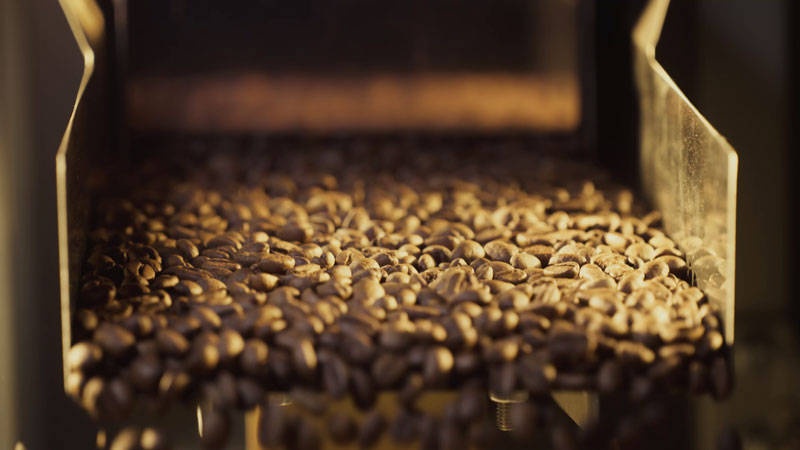
Small batch roasting allows for greater control and is often used to highlight unique origin characteristics in specialty or niche offerings.
In contrast, industrial roasting is designed for consistency, scalability, and process control, ensuring stable quality across high volumes.
For businesses operating at scale, industrial roasting provides the reliability needed to support standardized product offerings across multiple locations.
Single-Origin Coffee and Roast Profiles
Single-origin coffee is sourced from a specific region or farm, offering distinct flavor characteristics shaped by local climate, soil, and processing methods. It is commonly used in applications where flavor identity, traceability, and product differentiation are important.
Key advantages of single-origin coffee include clearer flavor differentiation, improved traceability, and alignment with sustainability initiatives, as many sources are linked to responsible farming practices.
Types of Roasts Available

Freshly Roasted Arabica Beans
Arabica beans are typically associated with smoother, more complex flavor profiles, often with mild acidity and layered notes. They are widely used in applications where balance and drinkability are prioritized.

Robusta Coffee Beans for Stronger Body
Robusta beans deliver higher intensity, stronger body, and more pronounced bitterness. They are commonly used in applications requiring bold flavor impact, such as espresso blends and high-strength formulations.

Medium Roast Coffee for Balanced Flavor
Medium roast profiles provide a balanced combination of acidity, body, and sweetness. This level is commonly used across multiple beverage formats due to its versatility.

Dark Roasted Coffee Beans for Bold Flavor
Dark roasts emphasize intensity, body, and roasted characteristics. They are often applied in espresso-based formats or products requiring stronger flavor impact.
In practice, the combination of origin and roast profile determines the final flavor outcome, allowing businesses to align coffee characteristics with their target market and product format.
Supplier Considerations in Roasted Coffee Selection
For businesses, selecting the right roasted coffee supplier directly impacts product consistency, operational efficiency, and overall customer experience. A reliable supplier should be able to maintain stable quality across batches while supporting the scale and requirements of your business.
Key factors to consider include:
- Consistency: Ability to deliver uniform quality across multiple batches and production cycles
- Supply Reliability: Stable logistics and inventory support to ensure uninterrupted operations
- Customization Capability: Flexibility in roast profiles or blends to match specific product requirements
In practice, the right supplier functions as a long-term operational partner supporting consistency, scalability, and product alignment across your business.
Selecting Roasted Coffee: A Practical Framework for Businesses
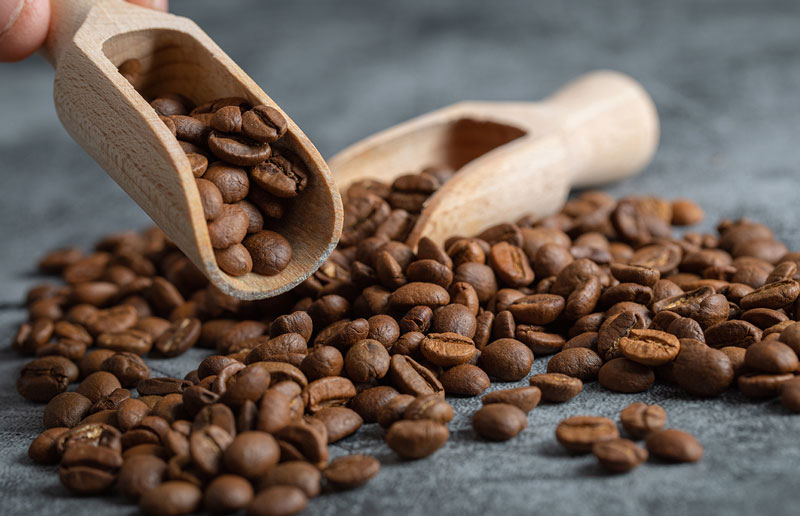
Selecting roasted coffee for commercial use requires a structured evaluation framework to ensure alignment between product performance and business requirements.
Freshness
Freshness directly impacts flavor performance. Roast date control and inventory turnover must be managed to maintain consistent quality in commercial applications.
Flavor Profile
Flavor profile must be aligned with the intended beverage format and target market, ensuring consistency in taste, body, and overall product positioning.
Supplier Capability
Supplier capability determines long-term reliability. Consistent roasting, stable supply, and the ability to scale production are critical for maintaining product standards.
These factors should be evaluated together as part of a structured selection process to ensure alignment between product performance and business requirements.
The Future of Roasted Coffee in Business
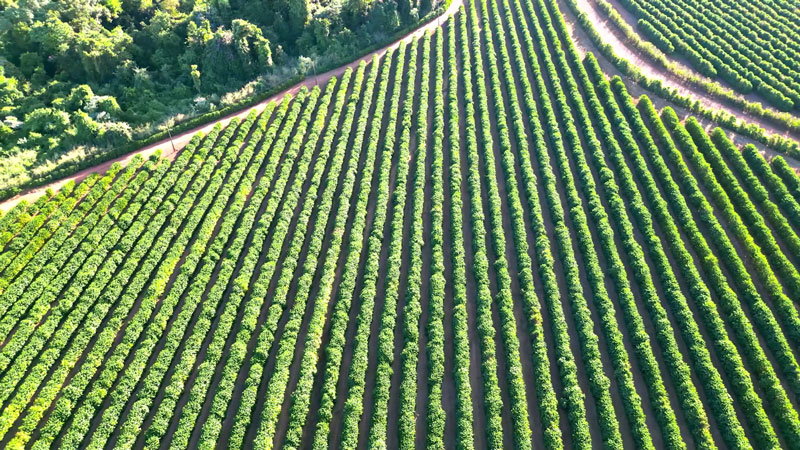
The coffee landscape across the Asia-Pacific region continues to evolve, driven by rising expectations around quality, consistency, and product differentiation. As demand grows, businesses are placing greater emphasis on selecting coffee solutions that can support both brand positioning and operational reliability.
Ultimately, selecting roasted coffee is not just about taste. It is about aligning product quality, supply capability, and business objectives into a consistent and scalable offering. As the industry continues to develop, this alignment will play a key role in building resilient and competitive coffee businesses.
For businesses seeking to achieve this, explore HACO Asia Pacific roasted coffee solutions designed to support consistent quality and scalable operations.
Contact Us Now
We are happy to be at your service.
For inquiries, please send us a message. We will respond to your inquiry via email,
or you may reach out to us via WeChat.
Click here for the WeChat QR Code Scan..